Verdict: YES · 1925
Mrs Dalloway: one June day that grows longer every time
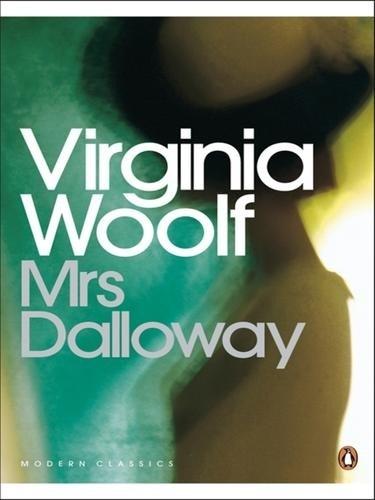
YES. Mrs Dalloway is a novel you spend the first read learning how to read, and every read after that actually reading.
What worked on the first read
The pull, honestly, was the challenge. The book covers a single day in June 1923, from Clarissa Dalloway going out in the morning to buy flowers for her party to the party itself that night. There are no chapters. The narration passes from one mind to another on a London street, sometimes in the middle of a paragraph, handed off by a shared sight or sound: a motor car with someone important behind its blinds, an aeroplane writing letters in the sky, the striking of Big Ben. On first read you lose your footing more than once and go back a page to find out whose thoughts you are in.
What keeps a first read going is the opening. "Mrs Dalloway said she would buy the flowers herself." It is one of the plainest first lines in English fiction, and within a page it has turned into a rush of memory, a summer morning at Bourton thirty years earlier, and a sense of a woman in her fifties who is delighted by the city and slightly frightened of her own life. That double register, pleasure and dread in the same sentence, carries you through the parts you don't yet understand.
The other thing that holds a first read together is Septimus Warren Smith, a young veteran of the war whose mind has been broken by it, walking through the same city with his Italian wife, Rezia. He never meets Clarissa. Their days run in parallel, and on first read the connection between them feels like a puzzle the book declines to explain.
What holds up on a second read
Everything, and more than on the first pass. Once you know the shape of the day, the handoffs between minds stop being disorienting and start to feel like music. You hear how the clocks punctuate the hours, how the same sights pass from Clarissa to strangers to Septimus and back, and how each character is quietly measuring a life against a choice made long ago. Peter Walsh, back from India and still half in love with Clarissa, and Sally Seton, the reckless friend of her youth, stop being backstory and become the real weight of the book: what Clarissa gave up, and what she kept by giving it up.
The prose has the stamina that a book like this needs. Woolf's long sentences, full of semicolons and sudden turns, are built to be heard more than once. The line about the bells, "The leaden circles dissolved in the air", returns through the day, and on a reread it stops being a nice phrase and becomes a measure of time running out.
The book also changes with the age of the reader. Read young, it is a portrait of a hostess and her regrets. Read later, it becomes a book about middle age, about surviving illness, and about the quiet decision to go on living, which is a harder and less glamorous subject.
The moment test
The party, late in the evening, when Lady Bradshaw mentions that a young man, one of her husband's patients, has killed himself that day. Clarissa, who never met Septimus, withdraws to a small empty room, away from her guests, and thinks about his death.
On first read this scene comes almost as a shock. The two halves of the novel finally touch, and it is not clear why the news affects her so deeply. On a second read, knowing it is coming, the whole book seems to bend toward it. You notice how often Clarissa's morning thoughts circle death; how Sir William Bradshaw, the doctor who failed Septimus, is presented long before he arrives at the party; how the two strangers share images and sensations neither would recognise in the other. Clarissa's moment alone in that room becomes the hinge of the book: one person's death understood, at a distance, by another who has chosen to live.
Then she goes back to the party, and the novel ends on Peter Walsh seeing her come into the room. Knowing what she has just been thinking makes that last image land twice as hard.
The shelf verdict
Keep, close at hand. Mrs Dalloway is short enough to reread in an evening or two and dense enough that every return finds a new centre of gravity: Clarissa one time, Septimus the next, Peter or Sally or even the strangers on the street after that. It rewards slow reading and, unusually, it rewards knowing the ending most of all.
YES. Every few years, ideally in June.